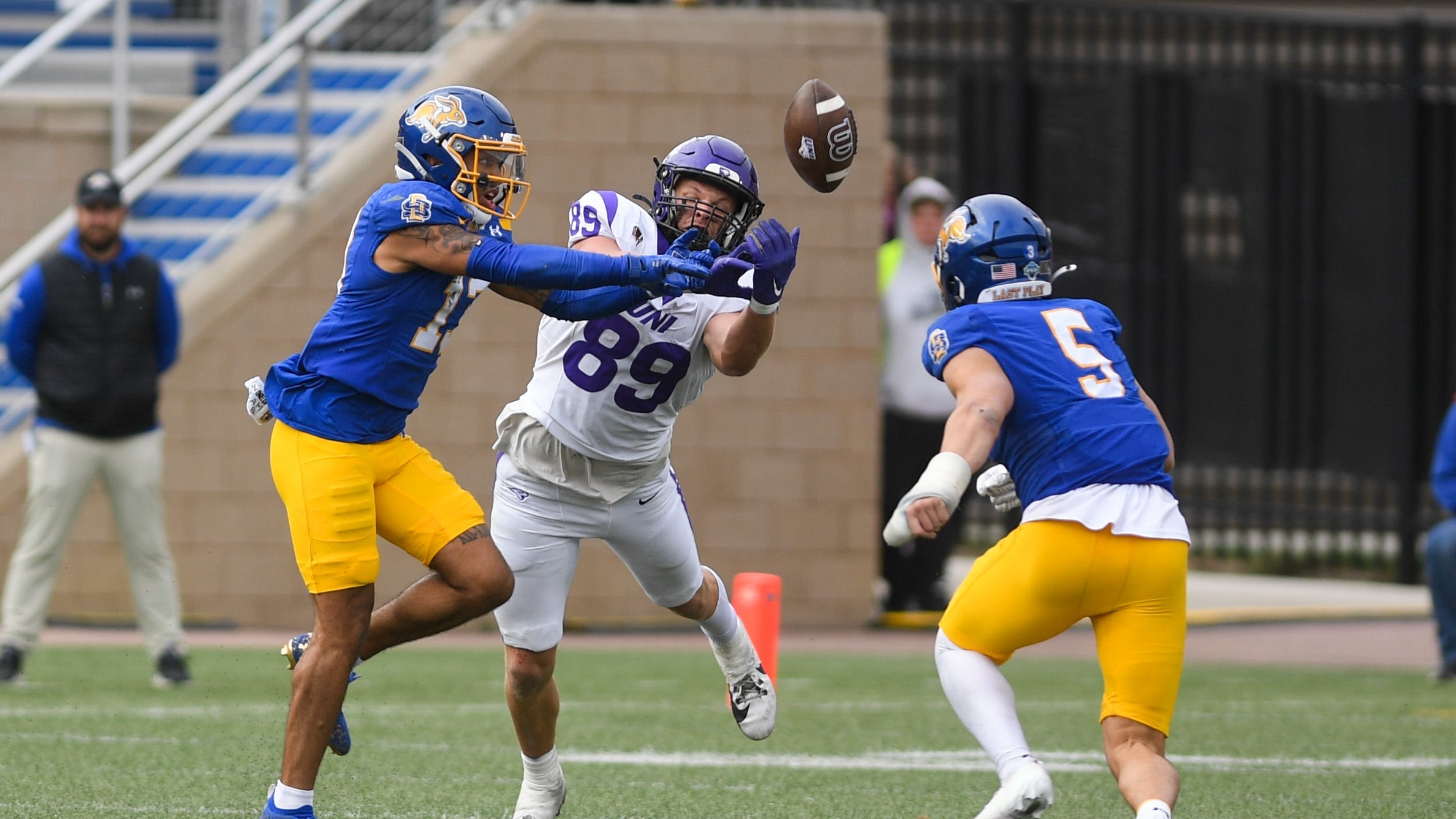
The University of Northern Iowa (UNI) community has been plunged into profound mourning following the sudden and tragic passing of freshman tight end, Parker Sutherland. His untimely death, at just 18 years old, has sent shockwaves across the campus, the athletic department, and his hometown of Iowa City. The heartbreaking incident, stemming from a collapse during an offseason workout, highlights the fragility of life and the deep bonds forged within collegiate sports. The question "What happened to Parker Sutherland?" echoes through the hearts of many, as the community grapples with the devastating news.
The Unfolding Tragedy: A Community in Shock
The sequence of events that led to the Parker Sutherland Accident began on a seemingly routine Thursday morning, January 19th. What should have been a standard warm-up session for the UNI Panthers football team turned into a desperate medical emergency, forever altering the lives of those involved.
A Sudden Collapse on the Field
According to university statements, Parker Sutherland collapsed during a warm-up activity at the UNI Dome around 7:15 a.m. on Thursday. The immediate response from his teammates and coaching staff, followed swiftly by first responders from the Cedar Falls Fire Department, underscores the critical nature of the situation. Reports from KCCI indicated that Parker had gone into cardiac arrest, was barely breathing, and had a faint pulse upon their arrival. This harrowing scene unfolded before the eyes of his peers and mentors, creating an atmosphere of intense fear and uncertainty.
The swift medical intervention provided at the scene, and his subsequent transportation to a local hospital, initiated a two-day vigil of hope and prayer. The tight-knit UNI family held its breath, wishing for a miracle as Parker fought for his life.
The Battle for Life and the Heartbreaking Outcome
Despite the best efforts of medical professionals, the university delivered the devastating news on Saturday, January 21st: Parker Sutherland had passed away. The announcement transformed hope into heartbreak, leaving the entire community reeling. While the cause of death was not immediately disclosed, the circumstances surrounding his collapse during a strenuous athletic activity naturally raised questions about sudden cardiac events in young, seemingly healthy athletes. This kind of sudden loss is particularly jarring, as it challenges our expectations of vitality and strength in youth.
The silence that often follows such profound tragedies is a testament to the shock and disbelief felt by everyone connected to Parker and the UNI Panthers. It serves as a stark reminder of life's unpredictability, even for those at the peak of physical condition.
Remembering Parker Sutherland: A Life Lived with Passion
Parker Sutherland was far more than just a freshman tight end; he was a beloved son, brother, teammate, and friend whose vibrant spirit left an indelible mark on everyone he encountered. His background, character, and contributions to the UNI program paint a picture of a young man destined for greatness, both on and off the field.
More Than Just a Player: Parker's Impact
An Iowa City native, Parker was a proud alumnus of Iowa City High, where he honed his athletic skills and developed the passionate personality that would define him. He made his collegiate debut for the Panthers last fall, appearing in four games as a tight end. While the statistics might reflect his early career, his coaches and teammates would attest that his role within the program extended far beyond official game appearances. Parker brought an energy, commitment, and positive attitude that elevated the morale and spirit of the entire team.
He is survived by his loving parents, Adam and Jill Sutherland, and his sister, Georgia, who now grapple with an unimaginable loss. The strength of their family bond was evident, and the support from the UNI community and beyond has been a testament to the respect and affection Parker inspired.
Head Football Coach Todd Stepsis, visibly emotional during a press conference on Monday, articulated the profound grief felt by the team and the broader UNI family. "It's been tough. It's been a tough couple of days for the team, for our community, for our family, for obviously Parker's family, but we're just... we're crushed," Coach Stepsis shared. He spoke movingly about Parker's character, highlighting his selflessness and unwavering dedication: "He was going to put his heart on his sleeve and put himself out there to make somebody feel good, to help somebody else out. When you have passion that flows through you, you affect everybody in a really positive way and, man, that dude he lived with passion." Parker's legacy, therefore, is not just about his athletic prowess, but about the profound positive impact he had on the lives around him through his kindness and genuine enthusiasm.
Beyond the Headlines: Understanding Sudden Cardiac Arrest in Young Athletes
While the specific cause of Parker Sutherland's death has not been publicly announced, the circumstances of his collapse during an athletic workout inevitably bring the conversation to sudden cardiac arrest (SCA) in athletes. SCA is a rare but devastating event, responsible for the majority of sudden deaths in young athletes. It occurs when the heart's electrical system malfunctions, leading to an irregular heartbeat (arrhythmia) that prevents it from pumping blood effectively to the brain and other vital organs.
It's crucial to understand that SCA is distinct from a heart attack, though both are life-threatening. A heart attack is typically caused by a blockage in an artery, whereas SCA is an electrical problem. Often, young athletes who experience SCA have an underlying, undiagnosed heart condition, such as hypertrophic cardiomyopathy (HCM), arrhythmogenic right ventricular dysplasia (ARVD), or congenital abnormalities of the coronary arteries. These conditions might not present obvious symptoms during routine physicals, making early detection challenging.
Practical Steps and Awareness for Athlete Safety:
- Comprehensive Pre-Participation Physicals: While standard physicals may not detect all underlying conditions, thorough screenings, including detailed family medical history questionnaires and potentially more advanced cardiac screenings (like EKGs), are vital. Athletes and their families should be transparent about any history of unexplained fainting, chest pain, or sudden deaths in young family members.
- AED Accessibility and Training: Automated External Defibrillators (AEDs) are critical life-saving devices. Their immediate availability at all sports facilities, coupled with widespread training in CPR and AED use for coaches, trainers, and staff, significantly increases survival rates for SCA victims. Every minute counts when an individual is in cardiac arrest.
- Emergency Action Plans (EAPs): Sports organizations and schools must have well-rehearsed EAPs in place. These plans detail roles and responsibilities, communication protocols, and access to emergency medical services in the event of a medical crisis on the field.
- Recognizing Warning Signs: Educating athletes, coaches, and parents about potential warning signs – such as unexplained fainting or dizziness during exercise, chest pain or discomfort, unusual shortness of breath, or excessive fatigue – can prompt early medical evaluation.
- Ongoing Research and Advocacy: Support for research into the causes, prevention, and treatment of SCA in young athletes is essential. Advocacy groups play a vital role in pushing for enhanced screening protocols and greater awareness. The tragic events like the Parker Sutherland: UNI Athlete Collapses, Dies After Workout, though devastating, often spark these crucial conversations.
The UNI Community Rallies: Support and Remembrance
In the wake of such a profound loss, the strength and compassion of the UNI community have shone brightly. The outpouring of grief has been matched by an equally strong current of support, unity, and a collective commitment to honoring Parker's memory.
Coach Stepsis’s heartfelt tribute at the press conference resonated deeply, not just with his team but across the entire university and beyond. His words painted a vivid picture of a young man whose spirit and character were truly exceptional, a teammate who made everyone around him better. This sentiment has been echoed by countless individuals who knew Parker, highlighting his impact far beyond the football field. Tributes have poured in from former high school teammates, coaches, faculty, and fans, all mourning the loss of a bright young star.
To celebrate Parker's life and the joy he brought to so many, his high school, Iowa City High, will host a celebration of life on February 22nd. This gathering will provide an opportunity for friends, family, and the wider community to share memories, find solace in collective remembrance, and honor the legacy of a young man who lived with unwavering passion and a giving heart.
The university, alongside the athletic department, is also undoubtedly focused on providing robust emotional and psychological support to Parker's teammates, coaches, and staff. Such a sudden and unexpected loss can have a profound impact on mental well-being, and creating a supportive environment for healing is paramount. The tragedy serves as a poignant reminder of the interconnectedness of a university community and the importance of rallying together in times of immense sorrow. The deep grief felt by the campus community is palpable, as UNI mourns a promising young life cut short. The university released a statement expressing profound sadness, further emphasizing the collective mourning the entire institution is experiencing. As the community moves forward, they will carry Parker's spirit, remembering his contributions and the love he shared. This collective support forms the bedrock of healing, reinforcing that in grief, no one stands alone, an important message that reverberates through articles such as UNI Mourns Freshman TE Parker Sutherland's Sudden Death.
The UNI Panthers will undoubtedly carry Parker's memory with them on the field, his passion inspiring their efforts and his spirit forever a part of their team.
The tragic passing of Parker Sutherland leaves an indelible void in the hearts of his family, friends, teammates, and the entire University of Northern Iowa community. His story is a poignant reminder of life's preciousness and unpredictability, particularly for our young athletes who embody strength and vitality. While the world grapples with the unanswered questions surrounding the "Parker Sutherland Accident," his legacy of passion, kindness, and unwavering spirit will undoubtedly continue to inspire. As the UNI community mourns, they do so united in grief, but also in the shared memory of a young man who lived life to the fullest, leaving an impact that will resonate for years to come. May Parker Sutherland rest in peace, his memory a beacon of light for all who knew him.