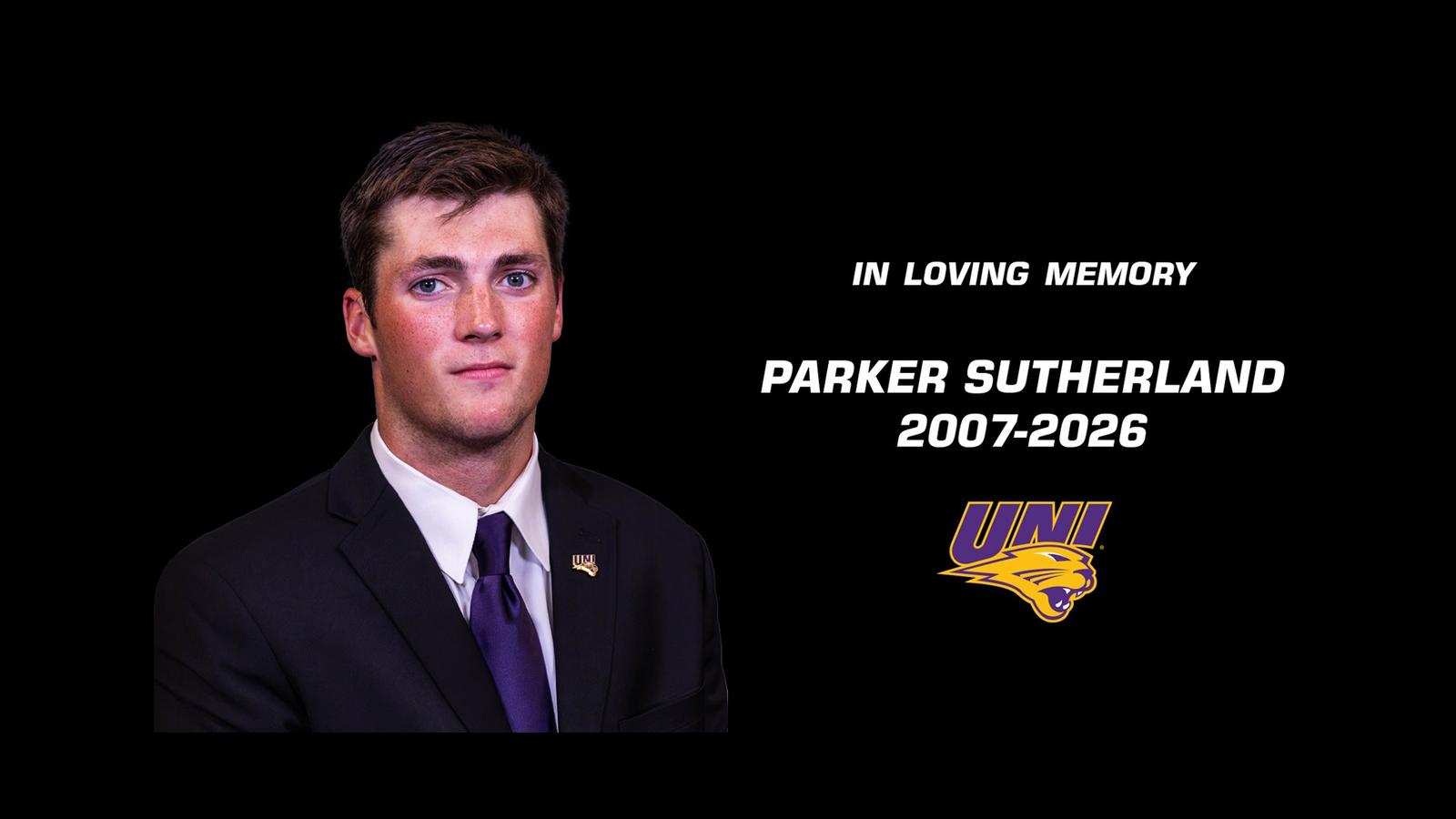
The University of Northern Iowa community, along with the wider collegiate sports world, was plunged into profound grief following the sudden and tragic passing of freshman tight end Parker Sutherland. The 18-year-old athlete collapsed during an offseason workout, an event that sent shockwaves far beyond the UNI Dome. This article delves into the details surrounding the Parker Sutherland accident, his lasting legacy, and the critical conversations it has reignited about athlete safety and well-being in sports.
The Tragic Morning: A Sudden Collapse
On a seemingly ordinary Thursday morning, the promising career and life of Parker Sutherland took an unforeseeable turn. During a warm-up session for an offseason workout at the UNI Dome, Sutherland, an Iowa City native and a key member of the Panthers football team, suddenly collapsed. The time was approximately 7:15 a.m.
First responders from the Cedar Falls Fire Department were immediately called to the scene. Reports indicated the young athlete had gone into cardiac arrest. He was barely breathing and had only a faint pulse, signaling the extreme gravity of the situation. Despite immediate medical intervention and the best efforts of emergency personnel, the initial collapse set in motion a devastating chain of events.
For two agonizing days, the UNI community held its breath, hoping for a miracle. However, the university officially announced Sutherland’s death on Saturday, two days after the incident. While the specific cause of death has not yet been publicly disclosed, the sudden nature of his collapse during physical activity underscores the unforeseen risks, however rare, that athletes can face. The shock of this Parker Sutherland accident reverberated deeply, leaving teammates, coaches, family, and fans heartbroken.
Parker Sutherland: A Legacy Beyond the Field
Though he was only an 18-year-old freshman, Parker Sutherland had already made a significant impact on the Northern Iowa football program and its community. He appeared in four games at tight end for the Panthers during the fall season, showcasing his potential and dedication. However, as Head Football Coach Todd Stepsis eloquently put it, his role extended far beyond mere statistics.
During a poignant press conference held on the Monday following Sutherland's death, Coach Stepsis shared his profound grief and admiration for the young athlete. "It's been tough. It's been a tough couple of days for the team, for our community, for our family, for obviously Parker's family, but we're just... we're crushed," Stepsis stated, his voice heavy with emotion. He painted a vivid picture of Parker as an individual who lived with immense passion and a desire to uplift those around him.
"He was going to put his heart on his sleeve and put himself out there to make somebody feel good, to help somebody else out. When you have passion that flows through you, you affect everybody in a really positive way and, man, that dude he lived with passion."
These words highlight Sutherland's character – a selfless, energetic, and positive presence who genuinely cared for others. His passing is not just the loss of a promising athlete, but the loss of a vibrant young man who deeply impacted his peers, coaches, and everyone he encountered. He is survived by his loving parents, Adam and Jill Sutherland, and his sister, Georgia, who now mourn a future cut tragically short. For more on the profound impact, you can read UNI Mourns Freshman TE Parker Sutherland's Sudden Death.
Community United in Grief and Remembrance
The immediate aftermath of Parker's collapse and subsequent death saw an outpouring of support and grief from the University of Northern Iowa, Iowa City, and beyond. Social media was flooded with tributes, sharing memories of Parker's infectious spirit and his dedication to both academics and athletics. The shock of the Parker Sutherland accident resonated deeply, reminding everyone of the fragility of life.
His former high school, Iowa City High, has announced plans to host a celebration of life on February 22nd. Such gatherings are crucial for communities to come together, share their sorrow, and commemorate the life of someone so dearly missed. They provide an opportunity for collective healing and to honor the memory of an individual who left an indelible mark in his short time.
The tragedy has undoubtedly brought the UNI football family closer, forging an even stronger bond in the face of adversity. Support systems for grieving teammates and staff become paramount during such times, ensuring that mental and emotional well-being are prioritized as the community navigates this profound loss. The question of What Happened to Parker Sutherland? UNI Community Mourns continues to be asked, underscoring the universal desire for understanding in the face of such sudden loss.
The Broader Conversation: Athlete Safety and Well-being
While the focus remains on mourning Parker Sutherland, his untimely death also reignites critical discussions about athlete safety in collegiate sports. Sudden cardiac arrest in young athletes, though rare, is a devastating reality that prompts continuous re-evaluation of medical protocols, screening procedures, and emergency preparedness. It’s a stark reminder that even seemingly healthy and highly conditioned athletes can face unforeseen medical emergencies.
Prioritizing Well-being in Sports: Key Considerations
In light of incidents like the Parker Sutherland accident, athletic departments, coaches, and medical staff are continually urged to review and enhance their safety measures. Here are some critical areas of focus:
- Comprehensive Pre-Participation Physicals (PPEs): These are fundamental. While standard PPEs are vital, some advocate for more advanced cardiac screenings (e.g., electrocardiograms or echocardiograms) for all collegiate athletes, particularly those in high-intensity sports, to detect underlying conditions that might not be evident in a routine exam.
- Emergency Action Plans (EAPs): Every athletic facility should have a detailed, rehearsed EAP for medical emergencies. This includes clear roles and responsibilities for staff, immediate access to automated external defibrillators (AEDs), and protocols for calling and directing emergency medical services (EMS).
- On-Site Medical Personnel: Having certified athletic trainers and medical staff present at all practices and workouts is crucial. Their immediate response can be life-saving in cases of cardiac arrest or other serious injuries.
- Athlete Education and Self-Reporting: Athletes should be educated about symptoms of potential medical issues (e.g., chest pain, unusual fatigue, dizziness, fainting) and encouraged to report any concerns immediately, without fear of being seen as "weak" or losing playing time.
- Hydration and Environmental Monitoring: Ensuring proper hydration, especially during intense workouts, and monitoring environmental conditions (heat, humidity) are essential to prevent heat-related illnesses that can exacerbate or trigger other medical issues.
- Rest and Recovery: Over-training can put undue stress on an athlete's body. Promoting adequate rest, sleep, and nutrition is vital for overall health and performance.
The tragic events surrounding Parker Sutherland serve as a somber reminder that vigilance and preparedness are paramount. While it's impossible to eliminate all risks, continuous improvement in safety protocols and a culture that prioritizes athlete health above all else are essential for protecting the young men and women who dedicate themselves to collegiate athletics.
Conclusion
The death of Parker Sutherland is a heartbreaking loss for his family, the University of Northern Iowa, and the broader sports community. His memory will endure not only through the statistics of his brief playing career but more significantly through the accounts of his vibrant personality, his passionate approach to life, and his generous spirit. As the UNI community mourns this profound loss, the tragic Parker Sutherland accident also compels us to reflect on the vital importance of athlete safety, reinforcing the need for robust medical protocols, comprehensive screenings, and a supportive environment where every athlete's well-being is the highest priority. Parker Sutherland's legacy will undoubtedly continue to inspire and remind us of the preciousness of life and the collective responsibility to safeguard those who pursue their athletic dreams.